
Nicotine Pouches vs. Vaping: Which Is Right for You?

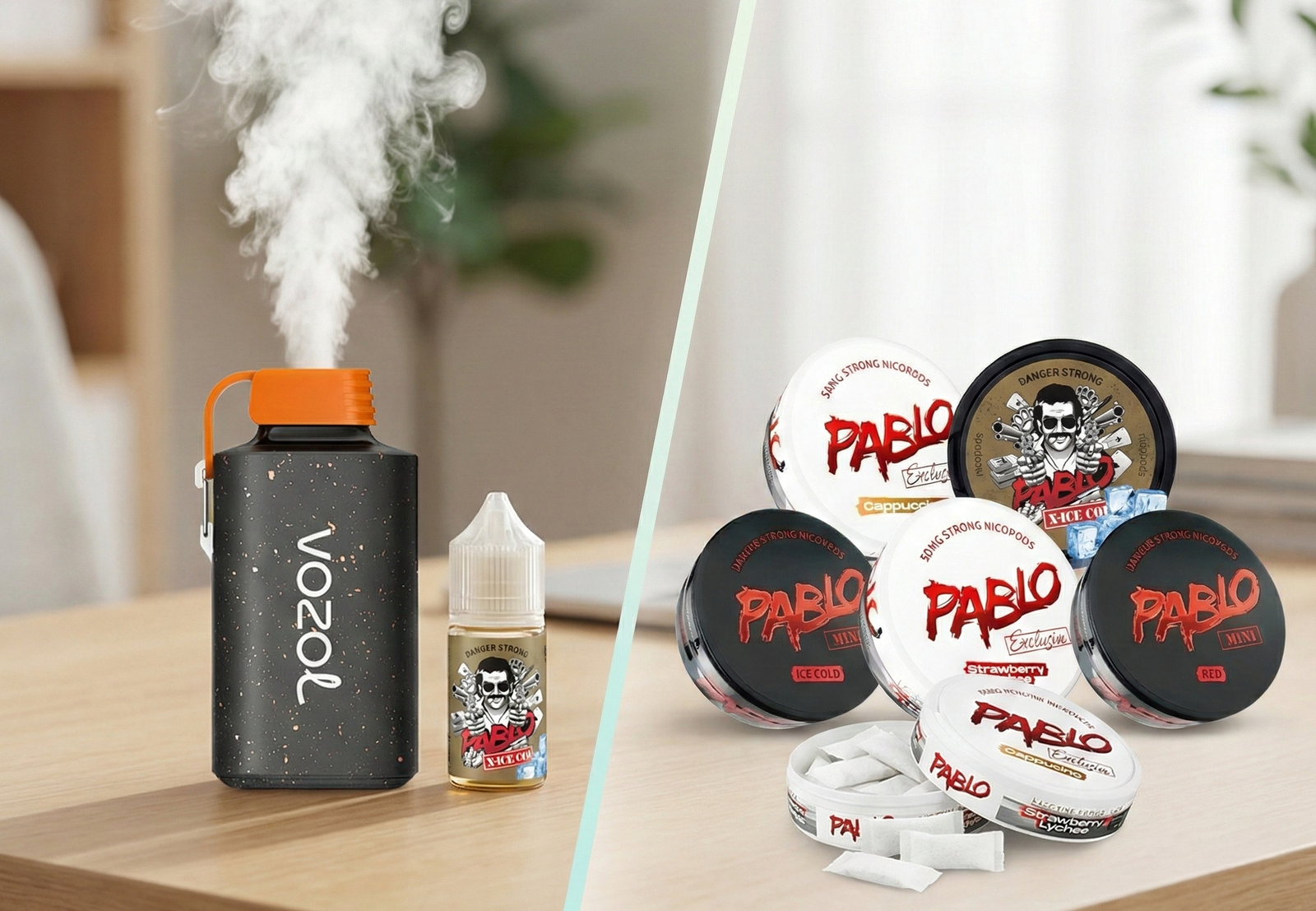
Vaping has been the leading alternative for smokers who want to transition from combustible tobacco for years. But what’s new is that the market is changing. With the full-throated age of more public health interest in lung function, and less sucking aerosol like it’s 1994, many are seeking to move on from “vaping” things to simply “nicotining” their face.
If you’re thinking about transitioning from the “cloud” to the “pouch,” it’s important to grasp how these two delivery systems compare in health impact, discretion and daily cost.
1. The Respiratory Factor: Inhalation vs. Absorption
The biggest reason users are switching to pouches is because they want to stop inhaling anything into their lungs.
Vaping: Though widely regarded as less harmful than smoking cigarettes because it doesn’t involve combustion or tar, vaping still affects the respiratory system. It delivers aerosols (flavors/Pg/VG/nicotine) to the lung. The more radical aim for many is to preserve lung health and capacity altogether.
Nicotine Pouches: Pouches do not enter the respiratory system at all. When the nicotine is absorbed in the buccal mucosa via gum tissue, it plummets directly into your bloodstream and bypasses your lungs entirely. This is often the deciding factor for users with an athletic performance or respiratory recovery focus.
2. The Discretion Game: Situational Freedom
Vaping might be cleaner than smoking, but it is in fact visibly emetic. This confines when and where you can use it.
The Vaping Limitation: Even “stealth vaping” results in a visible exhale and an odor. This limits the use in the office, at restaurants, on public transportation and around relatives who loathe the vapor.
The Pouch Advantage: Nicotine pouches are the most discreet way to consume nicotine. Once under the upper lip, no one will see them, smell them or have you spitting crud (like conventional dip). This makes them able to be used in high-restriction environments — on planes, or during long meetings, or in movie theatres — without anyone knowing.
3. The Financial Breakdown
Cost is an obvious variable, but the spending structures for the two habits are different.
Vaping (High Upfront / Variable Ongoing): With vaping, up front costs for hardware (mods, pod systems) is very common. There are ongoing expenses on coils, pods, and e-liquid. It can be cheaper than smoking, but how much you will save depends on how much juice you consume and the frequency with which you replace hardware.
Pouches (Low Initial / Fixed Recurring): There is NO equipment to purchase. The cost is strictly per can. For the average customer (half a can per day), the cost is foreseeable, and generally lower than it would be to sustain an upscale vape habit. But for heavy users (a can or more a day), costs may balance out or even surpass modest vaping habits.
4. The Experience: Throat Hit vs. The Tingle
And then, the sensation is different.
Vaping: emulates the habit of smoking—the hand-to-mouth action and the “throat hit” after an inhale.
Pouches: release nicotine continuously for 30-60 minutes. It’s not a throat hit though, instead it’s a “tingle” or “burn” in the gum line. Vapers say that breaking the hand-to-mouth habit is frequently the most difficult part of making a switch, even if satisfaction with pouches may be more strongly satisfying at the level of nicotine.
The Verdict
The only downside: The instinct to switch from vaping to pouches, in our own experience here at Slate HQ, has always been an urge for freedom — freedom from the burn of vapor on your throat, and freedom from “No Vaping” signs. Vaping remains a leading off-ramp from cigarettes, but nicotine pouches provide a no-BS abbreviated path that fits easily into the rhythms of busy modern living.